

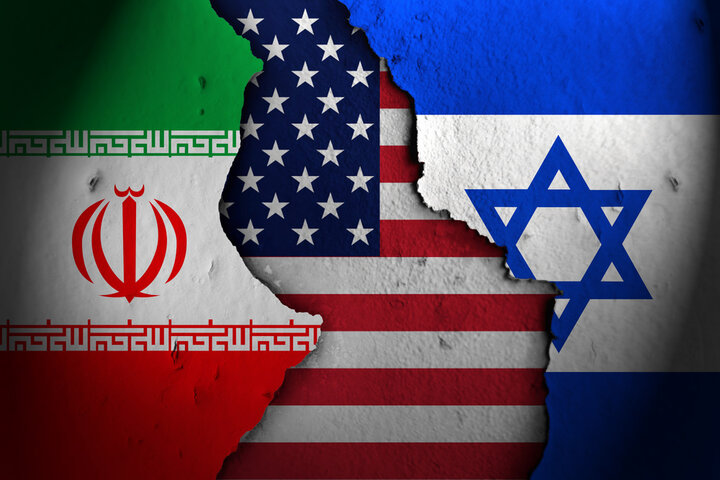
States do not act on goodwill, they act on interest. From a realist perspective, the United States’ campaign against Iran reflects a rational pursuit of strategic dominance, regardless of legal or humanitarian considerations.
Based on reported objectives of “Operation Epic Fury”, the U.S. sought to:
- Neutralise Iran’s nuclear capability
- Eliminate its missile capacity
- Disrupt regional proxy networks
- Assert control over the Strait of Hormuz
However, despite material damage, these objectives remain strategically unresolved. Iran retains leverage, and the conflict has shifted into a prolonged phase of asymmetric pressure rather than decisive victory.
For business, this matters more than the battlefield outcome.
The Strait of Hormuz remains a critical bottleneck for global energy flows. Continued instability. introduces:
- Sustained oil price volatility, directly affecting fuel and transport costs in South Africa
- Shipping disruptions, with implications for import-dependent sectors and export timelines
- Increased insurance and freight premiums across key trade routes
- Broader currency pressure, particularly on emerging markets exposed to external shocks
Implications for South African business:
Mining, logistics, and manufacturing sectors face immediate cost pressures, while Infrastructure and project timelines may be affected by supply chain delays.
Strategic Response:
Companies should conduct forward-looking risk assessments on supply chains and procurement exposure, build flexibility into logistics and fuel cost planning and monitor geopolitical triggers that may shift the conflict from containment to escalation.
Lunga Dweba, Director and Founder of GI Advisory — a business intelligence and geopolitical risk advisory practice. PSIRA-registered Risk Analyst with analysis published online, print and broadcast in South African media. Holds a post-graduate degree in International Politics, with a research focus in nuclear non-proliferation.