


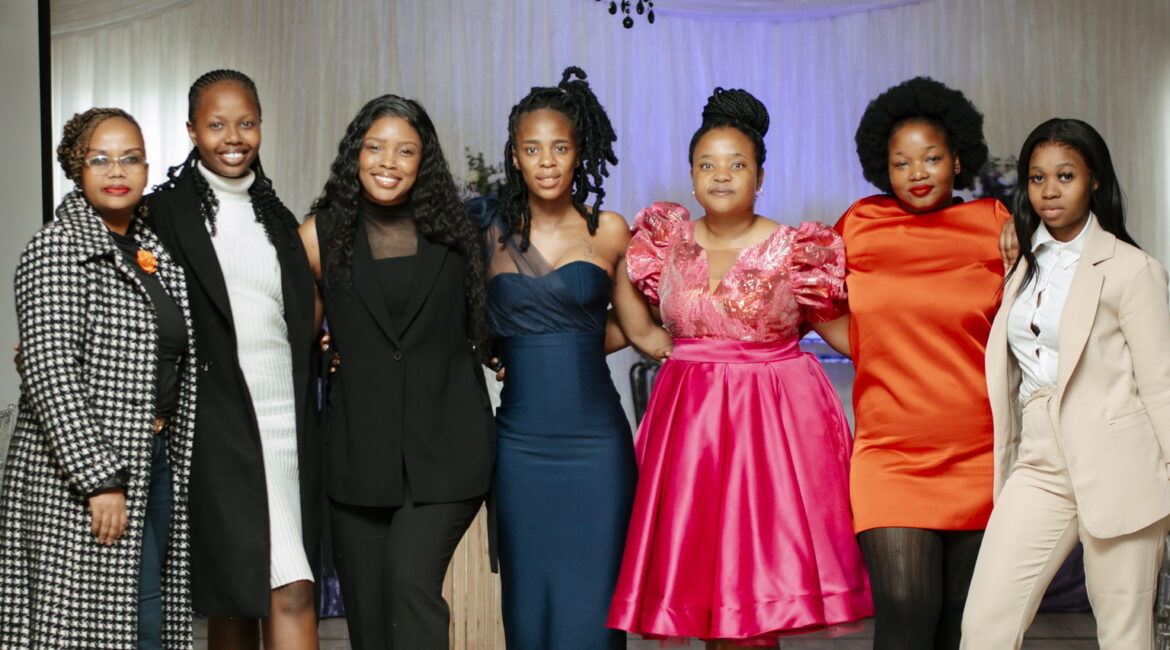
In August 2024, a women-led startup support programme was implemented through a collaboration between Lamatsamo Holdings (Pty) Ltd and the Carolina Employment Business & Training Centre (CEBT), a Section 18A organisation.
The programme was fully self-funded by Lamatsamo Holdings, under the leadership of Bonisile Fortunate Shongwe. No corporate sponsorship and no government grants were involved. The initiative was designed as a practical intervention, focused on identifying early-stage women-owned businesses with growth potential. It was not a compliance exercise.
Outcomes and follow-through
Three women-owned businesses were selected through an adjudicated process based on business viability, innovation, social impact, presentation quality, and growth potential. Support was awarded following a formal evaluation and public award process.
What distinguishes the programme is what followed. After the award phase, a monitoring and evaluation framework was implemented to assess how the support translated into operational progress. This process extended beyond the event itself and resulted in a documented impact assessment, completed in early 2025.
Why this matters
For participants, the programme provided more than short-term assistance. It introduced discipline through a structured process and exposure to other entrepreneurs and decision-makers — elements often missing from early-stage enterprise support.
For Bonisile Shongwe, Director of Lamatsamo Holdings, the programme reflects a view that enterprise development should be deliberate and sustained, even when market conditions are constrained. The decision to fund and complete the programme within the same financial year was a clear demonstration of a long-term approach to empowerment rather than a publicity stunt.
For the broader ecosystem, the programme offers a replicable model of enterprise support that prioritises durability over visibility, and execution over announcement.